
ARTICLE AD
The reality was far more nuanced. Edinburgh is a place where accessible features often sit side-by-side with barriers. A dropped kerb on one corner, a missing one on the next. A tram that glides you into the centre, followed by navigating a brutal hill.
It is also a city well worth visiting as a wheelchair user, as it offers calm gardens, as well as smooth, easy to navigate modern spaces, and an abundance of warm, welcoming locals.
Read more: I’m a wheelchair user from the Lake District – here’s how to explore it without limits
Having visited Scotland’s capital five times in the past two decades, I have learned that it rewards you if you explore slowly, plan ahead and embrace an itinerary that mixes the old and the new.
This is not a sugar-coated promise of a city that is “fully accessible”. For those who are keen to visit, this is a guide to what works, what doesn’t, and how to get the most out of the city as a wheelchair user.
Getting there and getting around
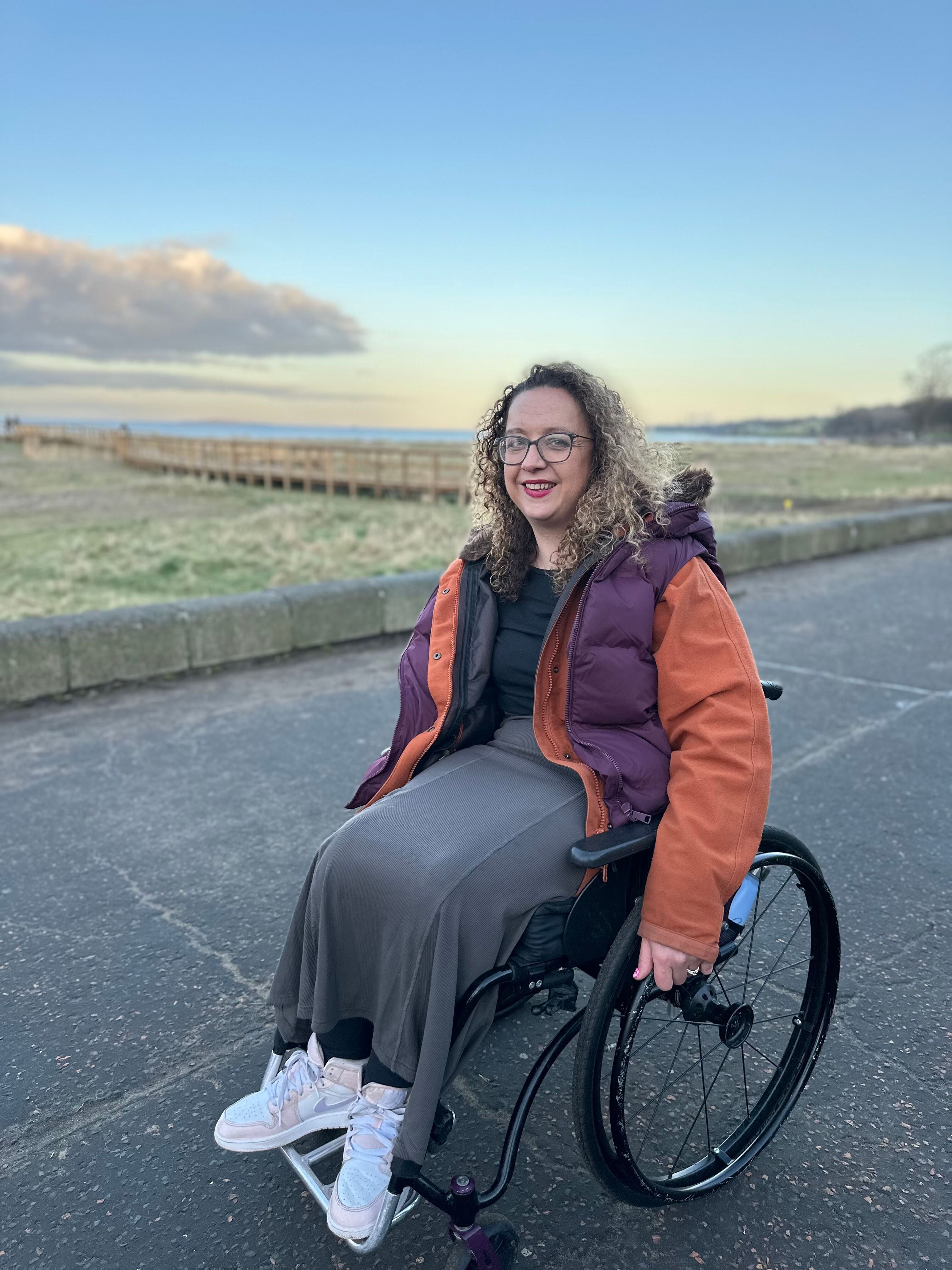
Edinburgh Waverley station sits between the Old and New Towns, so you arrive in the middle of the two sides of the city. A Changing Places accessible toilet in the station makes longer journeys much easier for those who need hoists or more room to manoeuvre.
Once you’re in the city, you have multiple transport options to reach your destination. Local buses have low floors, wheelchair spaces, clear audio and visual announcements, and the routes reach every corner of the centre. Edinburgh Trams run from the airport through the city to Leith and Newhaven, with level boarding and wide doors. Black cabs are wheelchair accessible, and there are ranks near Waverley and Haymarket.
It’s best to plan your route in sync with the gradient of the city. Consider taking a tram or bus up to a higher point, such as the top of the Royal Mile near Edinburgh Castle, then follow the streets as they gradually slope downhill towards Holyrood (the historic home of Mary, Queen of Scots, and the site of the modern Scottish Parliament) and the New Town. I can vouch that it’s a far more manageable and less tiring way to explore.
How to explore the Old Town
The Old Town is what many tourists picture before visiting Edinburgh, and at its heart is the Royal Mile, which stretches from Edinburgh Castle down to Holyrood. Lined with closes and courtyards it’s an area that holds centuries’ worth of stories, though is also the hardest work for wheelchair users.
The slope of The Royal Mile is steep in places, the surfaces are mixed, with cobbles and some narrow pavements, and crowds can close in fast during busy seasons.
At the very top, sitting atop Castle Rock and offering panoramic views of the city is Edinburgh Castle, which dates back to the early 12th century. The approach is cobbled and steep, but the castle operates a mobility vehicle service that can take disabled visitors to the higher points. This is available on request, and can be arranged at the castle entrance.
Once inside, you’ll find that not every building is step-free, but staff can guide visitors to lifts or alternative routes to reach attractions such as the Crown Jewels.
Read more: My child has additional learning needs — this is how we travelled on our first holiday abroad
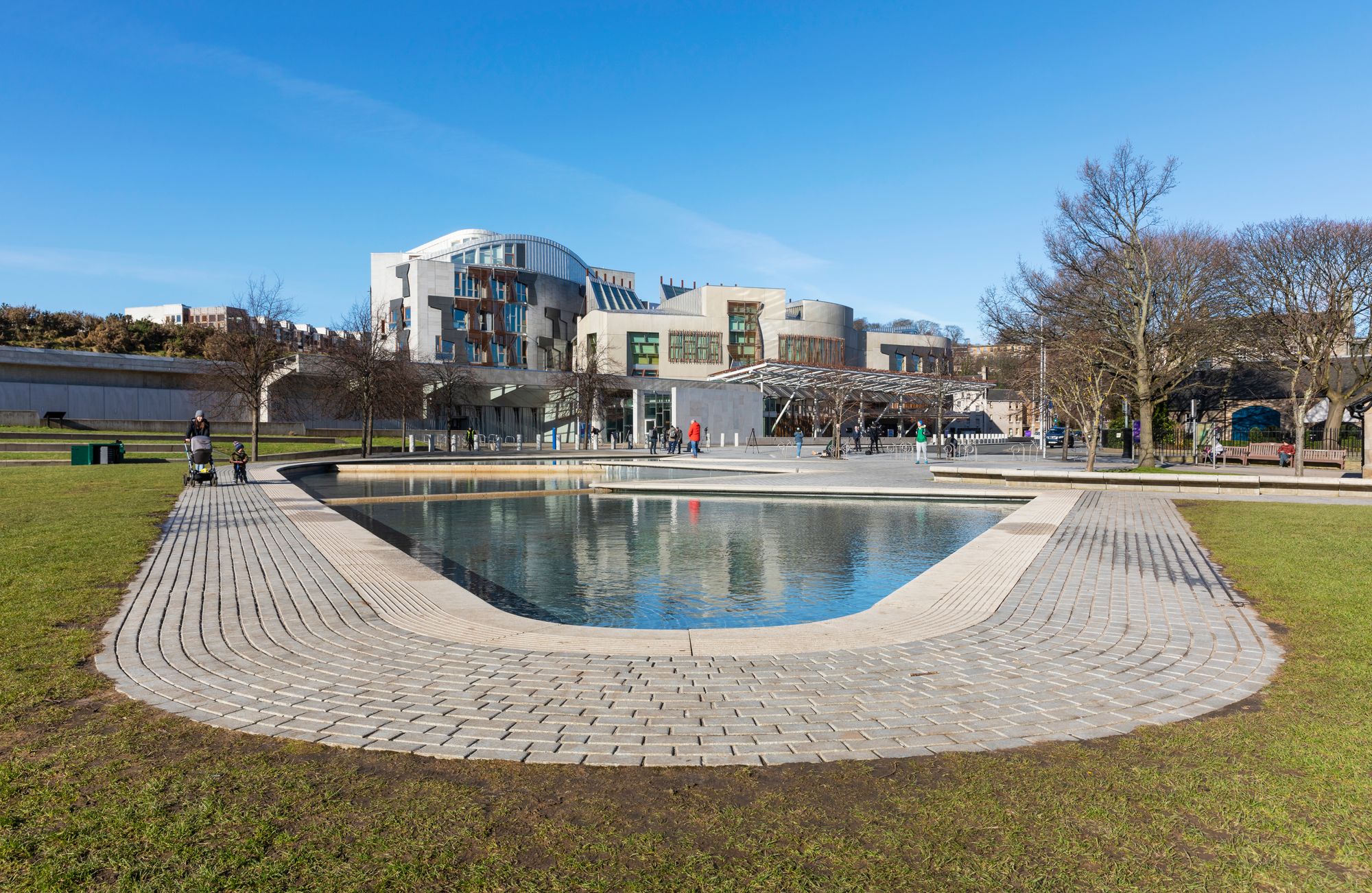
Further down the Mile, the Scottish Parliament shows a much more accessible side to Edinburgh. It’s modern and open with wide walkways and lifts to all public floors. Free guided tours include step-free routes, taking visitors through the striking Debating Chamber and giving a glimpse at the building’s distinctive contemporary design. With views across Holyrood Park and Arthur’s Seat, the whole place feels intentionally designed to welcome the public, including disabled visitors.
If you want to visit a museum without steep climbs, try the National Museum of Scotland on Chambers Street. There are level access entrances, lifts to every floor, accessible toilets on most levels and a Changing Places toilet in the main hall. It’s a calming place to take a break from the Old Town’s intensity, plus it’s free to enter and easy to pace yourself.
How to explore the New Town
If the Old Town is about the atmosphere, the New Town is where you’ll find comfort and a sense of freedom. George Street, Princes Street and the grid layout that surrounds them mean you can roll for long stretches without sudden cambers or steps.
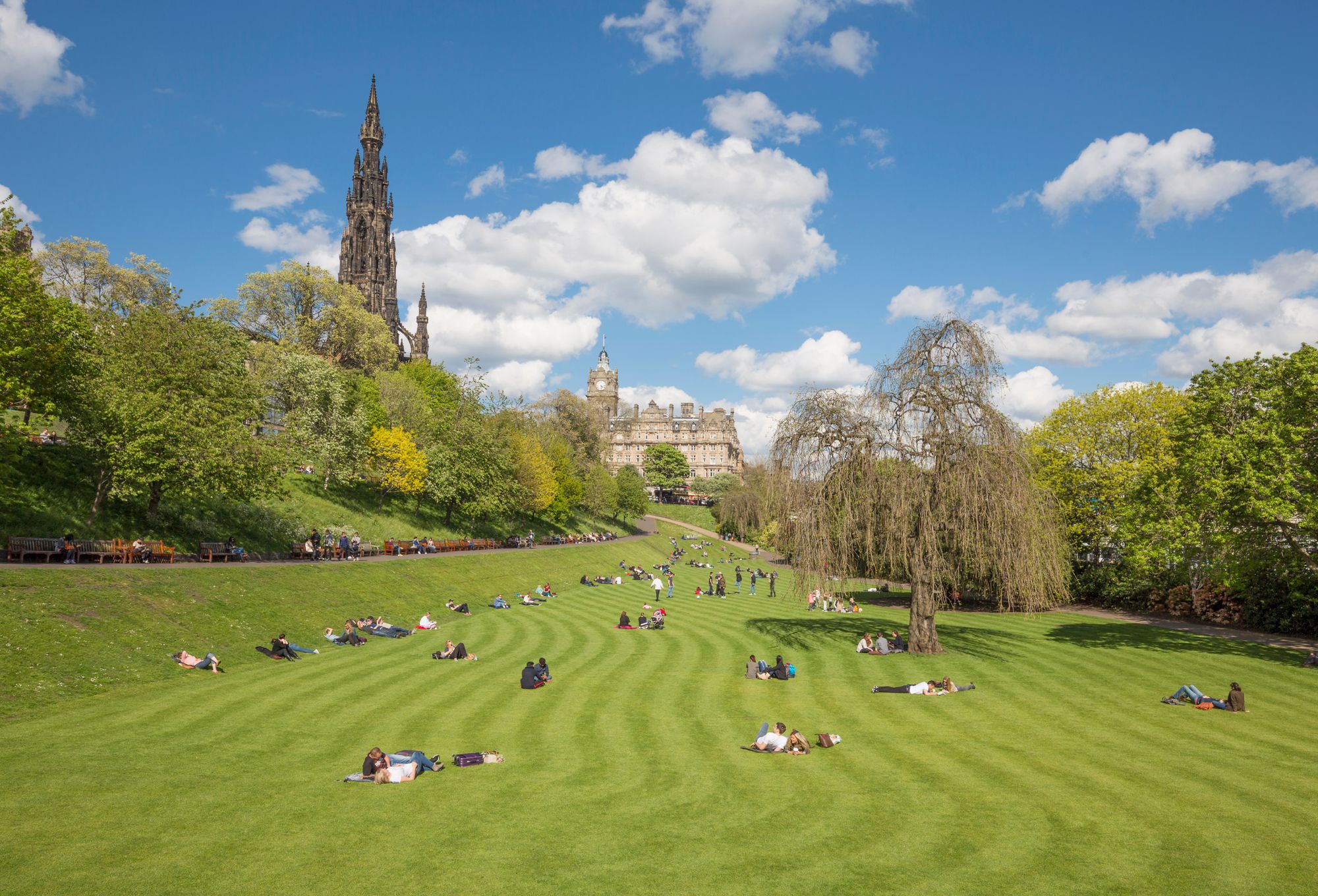
Princes Street Gardens is one of the easiest green spaces to visit. The paths are hard surfaced and mostly gentle, and the view of the castle from the lawns never loses its impact. Some entrances are steeper than others, so approach from the west side via King’s Stables Road, where there is a ramped path into the gardens near the Ross Fountain. On a dry day it’s a beautiful place to move at your own pace.
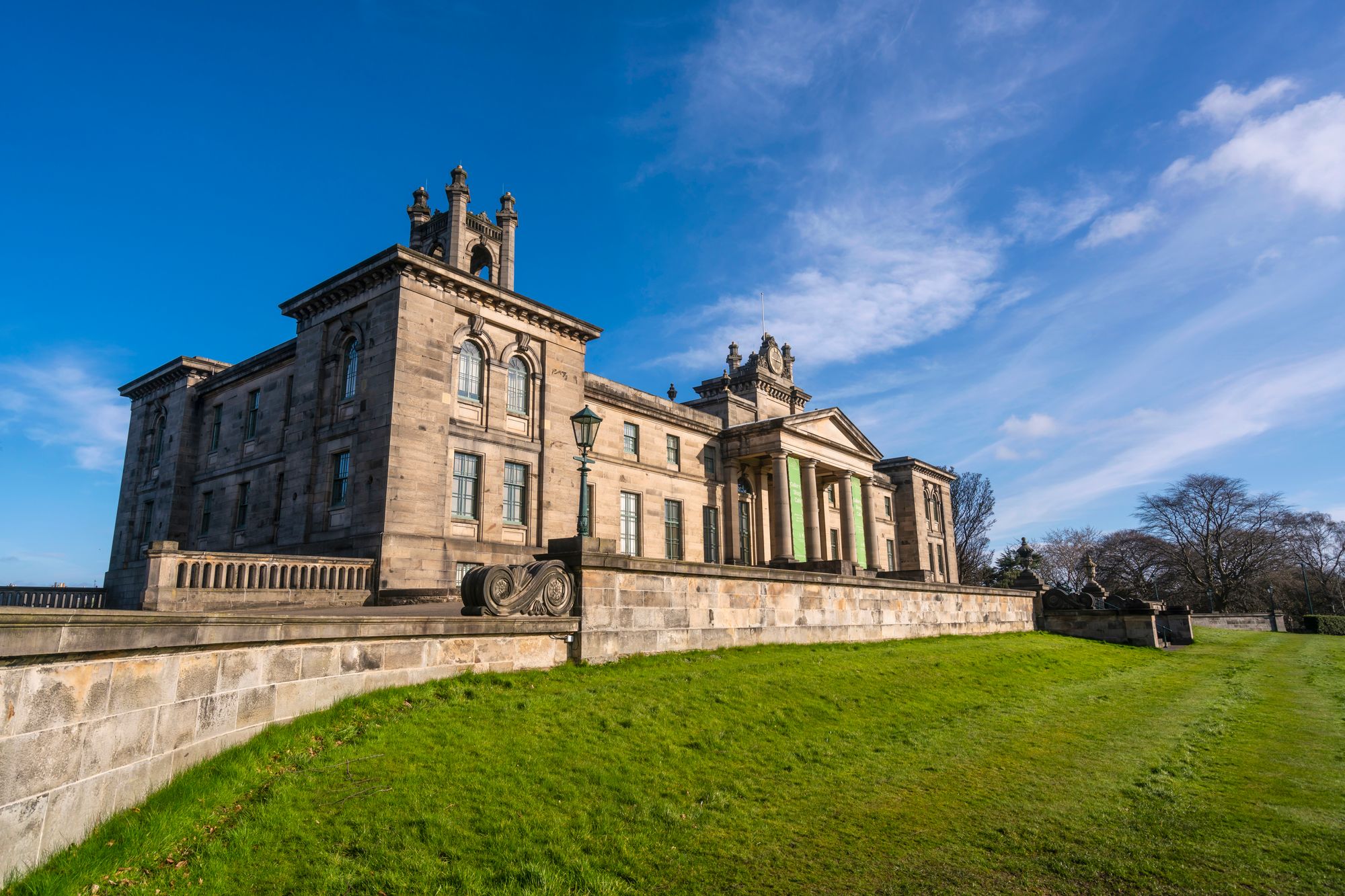
Above the gardens, the Scottish National Gallery offers step-free access via the Princes Street Gardens entrance, and lifts between gallery levels. Inside, you can spend time with some of Scotland’s best-loved artworks, including Henry Raeburn’s famous portrait “The Skating Minister.” If you want a low-effort way to feel connected to the city, pairing an hour in the gardens with a gallery visit works well.
Also part of the National Galleries of Scotland network, Modern One has a Changing Places facility and accessible parking at key entrances, so you can build a whole day around art without worrying about barriers.
For eating and shopping, St James Quarter is known as one of Edinburgh’s more accessible options. The shopping centre is modern, level, spacious and well signposted. East Pizzas is a favourite spot for dinner, with excellent sourdough, and mozzarella sourced from Dumfriesshire.
How to plan your trip
Edinburgh is a place where forward-planning pays off. Before any trip, I usually plot things out on Google Maps, checking where the steepest gradients are, where accessible toilets are located, and how many “big days out” my body and wheelchair batteries can realistically handle.
Cobbles are common, particularly around the Royal Mile and some of the surrounding closes, and a few can be rough under wheels. So I recommend taking your time and choosing flatter side streets when possible. Also bear in mind that crowds build quickly around the Royal Mile and Princes Street. Early mornings are usually calmer than afternoons, and winter tends to be quieter than peak summer months.
Festival season is when access becomes more complex. August brings world-class cultural events, such as the Fringe, but also packed pavements, temporary structures that can block your path, and a lot of noise. Many festivals now offer relaxed performances, British Sign Language interpreted events, Access Pass schemes and even pop-up Changing Places toilets, but tickets for accessible performances and wheelchair spaces do need to be booked early.
Is it worth contending with Edinburgh’s cobbles and hills as a wheelchair user? For me, yes. It’s a city that still has work to do, particularly in the Old Town, but it’s also a place that offers accessible trams into its centre, world-class museums, great food and accessible hotels. Plus there are few places that match its mix of history, a picturesque skyline and sea air.
Choose the right routes, plan realistic distances between stops, and let Edinburgh delight you.
Read more: These Portuguese islands offer respite for my neurodiverse family
How to get there
Edinburgh Waverley station has step-free access via the Market Street entrance, lifts connecting the concourse and platforms, and a Changing Places toilet. Travel via the West Coast Main Line with Avanti West Coast for trains with wheelchair spaces, accessible toilets and boarding ramps provided through the Passenger Assist service. Most mainline trains to Edinburgh offer similar facilities, and the overnight Caledonian Sleeper runs from London with accessible sleeper cabins.
Where to stay
InterContinental Edinburgh The George makes a convenient New Town base, with accessible rooms and lifts. It’s a short roll to George Street, Princes Street Gardens and the National Gallery.