 4 hours ago
1
4 hours ago
1 ARTICLE AD
A 13-year-old boy in Hangzhou has already won national AI competitions and built a following of more than 136,000 people online, all while his dad tries to figure out how to guide him through a field that barely existed when he himself was growing up. That family’s situation, first reported by Rest of World, says a lot about where China’s tech industry is heading right now.
Companies used to wait for graduates to walk through the door. Now they’re reaching further back, first to undergrads, and increasingly to teenagers, hoping to spot rare talent before anyone else gets to them.
Why are companies chasing teenagers now?
The short answer is a serious talent gap. McKinsey estimates China could be short by 5 million AI workers by 2030, and right now there are more open AI jobs than qualified people to fill them. Tencent recently launched camps for students aged 13 to 18, covering everything from AI product management to quantum computing. ByteDance founder Zhang Yiming went even further, co-founding a research program that hand-picks just 30 students a year as full-time trainees.
 Geely
Geely
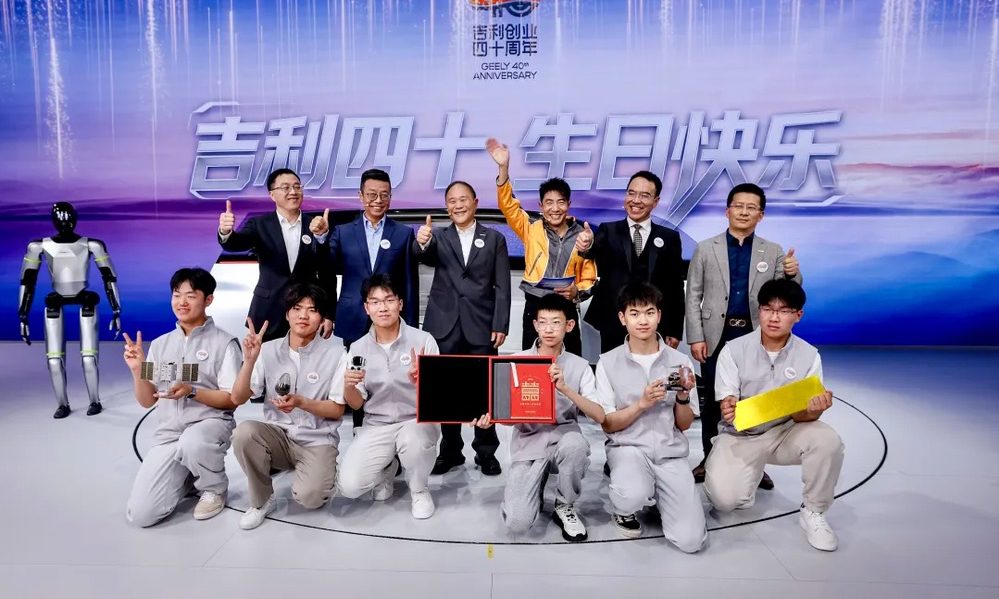
Then there’s Geely, which flipped the usual hiring order entirely. The automaker now recruits students straight out of high school, trains them in AI and EV tech alongside their studies, and guarantees them a job that pays the same as a fresh graduate once they’re done.
Does this mean a degree matters less now?
MiniMax, one of China’s leading AI startups, says it still isn’t hiring high schoolers, but it has stopped treating a degree as a hard requirement. The company cares more about curiosity and raw ability than a diploma.
This shift isn’t unique to China either. Google co-founder Sergey Brin has said the company is increasingly open to hiring people without a bachelor’s degree. At the end of the day, AI isn’t just changing what jobs look like, it’s rewriting who even gets considered for them. Degrees, age, and traditional resumes are all starting to matter a little less than raw skill and curiosity.