
 3 months ago
4
3 months ago
4 ARTICLE AD
A practice for meeting suffering with loving awareness
By Tim Desmond Jun 16, 2026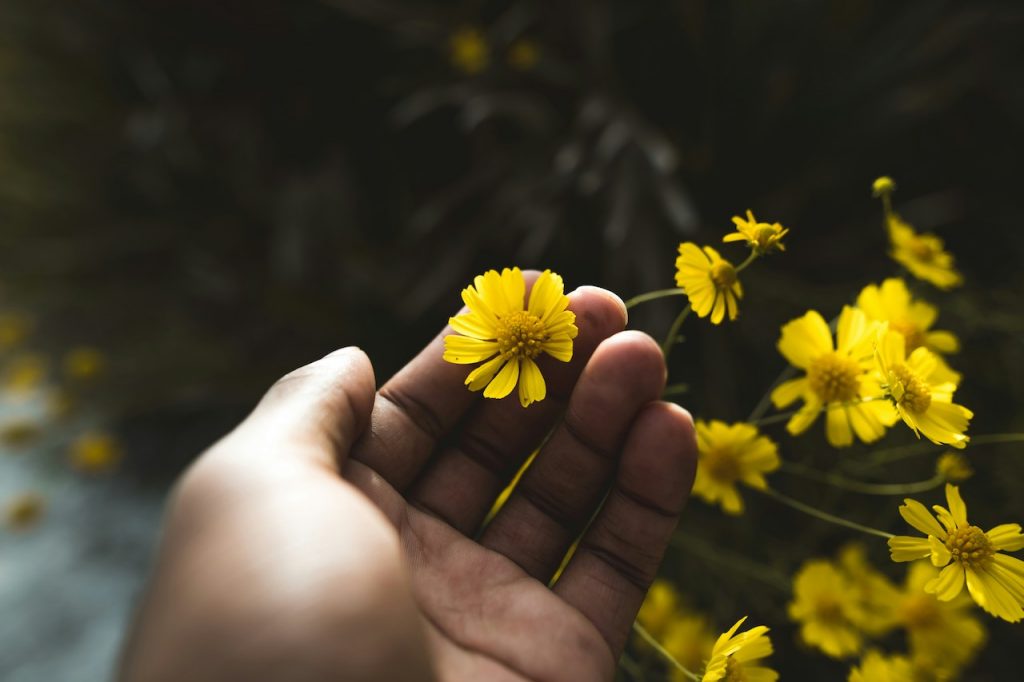 Photo by Darren Gundling
One of the most radical and transformative practices in Buddhist psychology is the practice of holding our pain with loving awareness. Instead of running away from suffering or trying to silence it, we invite it into our awareness with care and compassion. This is not a passive acceptance of suffering but an active process of embracing it, the way a loving parent holds a crying baby. When we bring our suffering into the presence of our mindfulness, something powerful happens: It begins to change.
Welcoming the Seed of Suffering
Our emotions exist as seeds in the garden of our minds. Some seeds, like joy and gratitude, are easy to appreciate. Others, like fear, anger, or grief, are much harder. However, every human life contains both kinds of emotions. Unpleasant mental states will always arise, no matter how skillfully you might be living. If we don’t know how to relate to them, we can create a lot of unnecessary suffering. When we get angry at our anger, or when we’re afraid of our fear, those emotions just spiral. We need another way.
Holding your pain begins with an invitation. Instead of running from suffering, we allow it to arise. But we do not invite it alone—we also bring forth the seed of loving awareness. This is the key. When suffering arises in isolation, it can be overwhelming. But when we bring mindfulness, gentleness, and curiosity to our suffering, it transforms.
The Power of Loving Awareness
Loving awareness is like a fragrant flower blooming in the garden of the mind. Its scent permeates everything it touches, including suffering. When the seed of suffering is strong, we do not need to fear it. Instead, we hold it with the warmth of our own awareness. This simple act of recognition—I see you, suffering. I am here for you.—can change the way we relate to our pain.
One way to understand this practice is to imagine your suffering as a crying baby. When a baby cries, we don’t ignore them, scold them, or push them away. We pick them up, hold them close, and offer soothing care. We don’t need to fix the problem immediately or make the crying stop; we simply hold the baby with love. In the same way, we can hold our suffering—not to get rid of it but to offer it the warmth and presence it needs to heal.
Working with the Sensations of Suffering
When suffering is present, we can focus on how it manifests as sensations in the body. Tension in the chest, tightness in the throat, heaviness in the stomach—these are some of the body’s ways of expressing suffering. The first step in holding your pain is to become aware of these sensations.
Find a quiet space and sit comfortably. Bring your awareness to your breath, allowing it to settle into a natural rhythm. Notice any sensations in your body. Where do you feel tension, discomfort, or pain? If you notice only relaxation, you can deliberately invite suffering to manifest by thinking of something challenging (but not too painful while you’re beginning). Instead of resisting these sensations, bring a sense of kindness toward them. Place a gentle hand over the area, as if offering comfort to a dear friend. Whisper to yourself, “I see you. I am here for you. In the present moment, you are safe and loved.” If the intensity of suffering is too strong, allow yourself to step back. Keep the intensity between a 3 and 7 out of 10. If it feels overwhelming, shift your focus to something beautiful or take a walk outside.Experimenting with Loving Awareness
Each person has a different way of expressing love and care. Some may find comfort in placing a hand over their heart, and others might visualize light surrounding their pain. Some may find soothing words helpful—“It’s okay. I am here with you.”—and others might connect with their suffering without words. The key is to experiment and find what feels most effective for you.
The Gradual Transformation Of Suffering
Holding pain with loving awareness is not about making it disappear forever. After practicing for some time, you might notice that all you can find in your body is peace and relaxation. However, your suffering will always return. It’s true that your seed of suffering can become smaller over time, but it won’t disappear entirely. If you practice with something and it returns the next day, don’t worry. You did nothing wrong.
As your practice deepens, you notice it becomes easier and easier to respond to suffering with care and compassion. Your heart opens, and you experience less and less unnecessary and self-inflicted pain.
Holding our pain with loving awareness is one of the most powerful gifts we can give ourselves. It is an act of profound courage. Instead of running from suffering, we meet it with presence. Instead of rejecting our pain, we hold it gently, allowing it to transform in the warmth of awareness.
♦
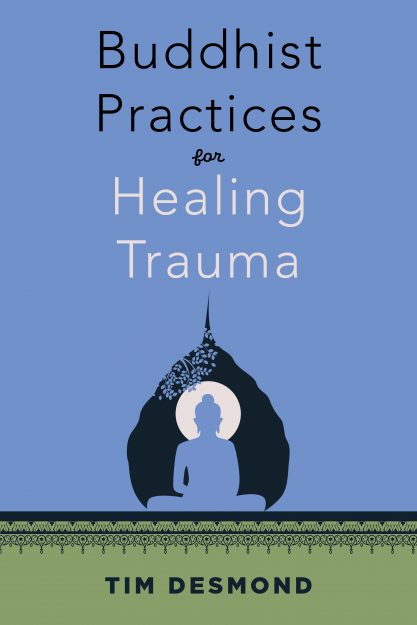
Excerpted from Buddhist Practices for Healing Trauma. Copyright © 2026 by Tim Desmond. Used with permission of the publisher, Norton Professional Books, a division of W. W. Norton & Company, Inc. All rights reserved.

Thank you for subscribing to Tricycle! As a nonprofit, we depend on readers like you to keep Buddhist teachings and practices widely available.