
 1 month ago
4
1 month ago
4 ARTICLE AD

Registered Dietitian Nutritionist
Image by Mihajlo Ckovric / Stocksy June 06, 2026 Sun exposure is one of the ways your body makes vitamin D. Because when UVB rays hit your skin, it kicks off a synthesis process that contributes to your overall levels. It's rarely enough on its own to maintain truly optimal status, but it does provide some baseline support. But what happens when you spend your days working inside, with little to no midday sun?
About the study
The goal of this review was to map the existing evidence on vitamin D deficiency among healthcare workers, specifically looking at how common it is, what health effects have been documented, and whether there's any connection to workplace productivity.
To do this, researchers conducted a scoping review (aka looked at all the data available on the topic). The final analysis included 36 studies.
Why healthcare workers you ask? Well, it's a bit easier to study them than the general population. For this study, they're also a population who spends a lot of their day inside.
Vitamin D deficiency was widespread
Deficiency affected anywhere from 30% to more than 90% of healthcare workers depending on the study and geographic region. Nurses and shift workers consistently showed up as the highest-risk groups.
The risk factors identified across studies included:
Seasonal patterns also emerged, with deficiencies being more common in winter months (which makes sense). And pandemic-era studies showed the problem worsened during COVID-19, likely due to increased time indoors and heightened occupational demands.
What low vitamin D meant for health and productivity
The review also examined what those low levels were associated with in terms of real-world outcomes.
The evidence on mental health outcomes was more mixed. Fatigue and sleep disturbance were commonly reported among workers with lower vitamin D, but the link to depression didn't reach statistical significance across all studies.
How to close the gap if you spend most of your day inside
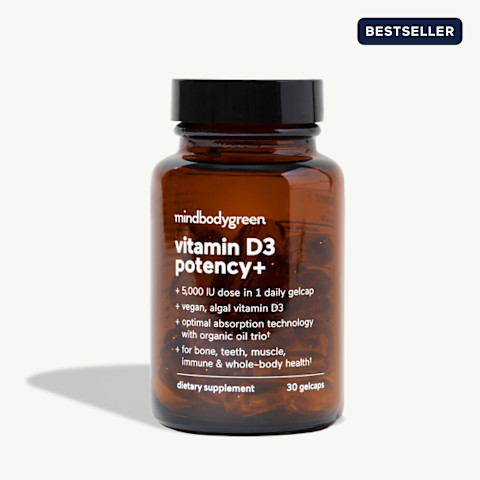
While there are other downsides to not getting midday sun (it can really take a hit on your mood), you can boost your vitamin D levels through supplementation.
A good rule of thumb is to look for supplements that provide 2,000–5,000 IU of vitamin D3 (not D2) and take it daily. You should start to see your vitamin D levels start to improve within a few months.
What about the sun?
Even short 10-to-15-minute windows of midday sun exposure can contribute to vitamin D synthesis (and be skin safe), though this varies by season and location.
The takeaway
Vitamin D deficiency is widespread among healthcare workers, and the pattern likely extends to anyone with a similar indoor-heavy routine. Thankfully, the fix can be quite simple with the right, high-quality vitamin D supplement.