ARTICLE AD
Trusting my balance, and my light grip of the skipper’s forearm, I walked the gangway to enter the catamaran – my home for the week.
Croatia is home to more than 1,000 islands, and I was about to discover that the best way to appreciate even a slither of this region is by boat. My journey through Dalmatia, the twinkling 250-mile Adriatic stretch of Croatia, started at Split – the perfect point of propulsion for a nautical adventure.
The city is home to Adriatic Croatia International Marinas (ACI), the largest marina chain in the whole of the Mediterranean. The premium yachting network operates across 22 ports in Croatia, with ACI Split hosting 318 berths and 15 dry berths. I would be staying in an en-suite cabin on a catamaran – compact, yet spacious enough to move about without my knee becoming victim to any bruises.
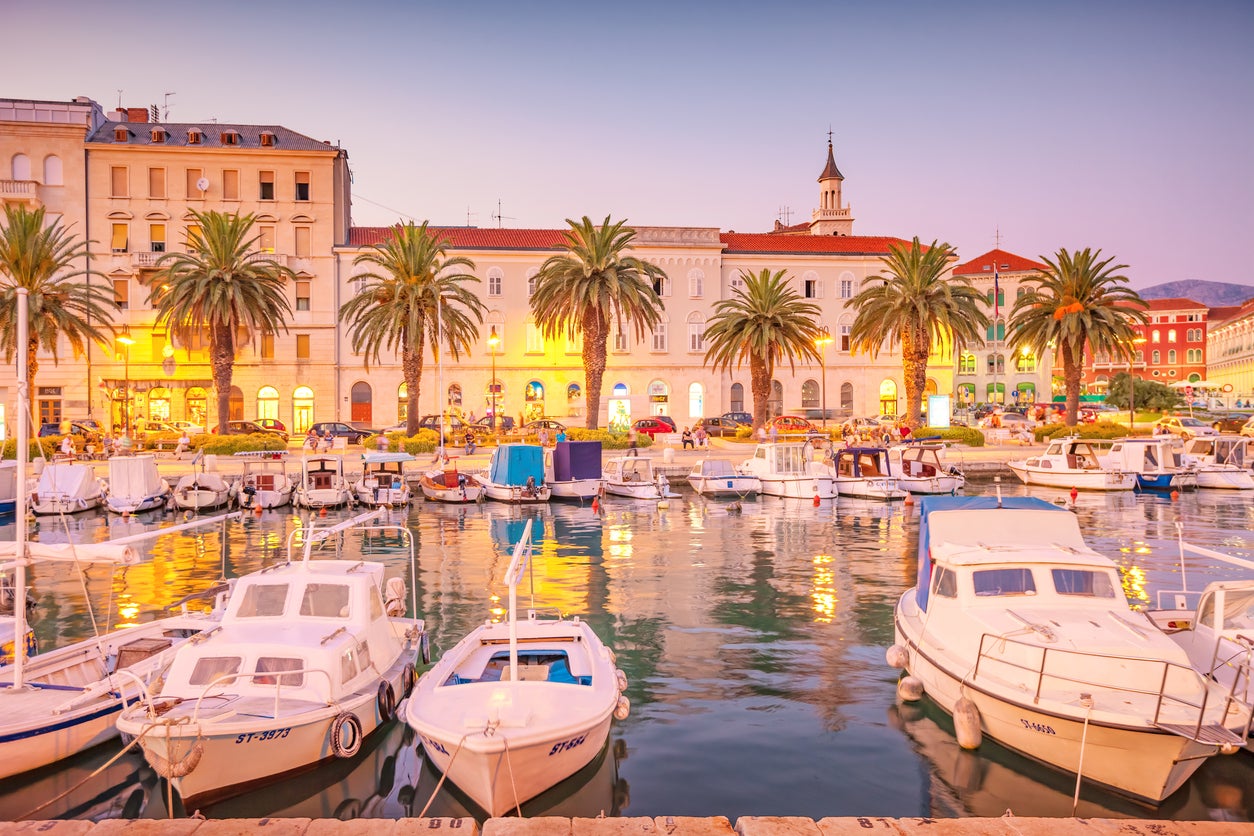
Before we began sailing, though, I had a brief introduction to Dalmatia, comprising a walking tour around Split and dinner at Makarun. The restaurant is hidden within a courtyard of the history-filled walls of the Diocletian's Palace, one of Croatia’s 10 Unesco World Heritage sites. The makaruni pasta, meticulously handrolled by Grandma Tanja, is not to be missed.
More remarkable, though, was the sensation I felt when I awoke on board the next morning: I was being gently rocked by the waves, reducing me to a state of infancy. While being cradled, nautical style, would have been a serene position to remain in, it was also a warning. I made myself a precautionary peppermint tea, conscious that the sensation could result in seasickness.
Happily, though, we were heading towards the sunniest region in all of Croatia, the island of Hvar. I was reliably informed it receives some 2,726 hours of sunshine per year, which sounded good to me.
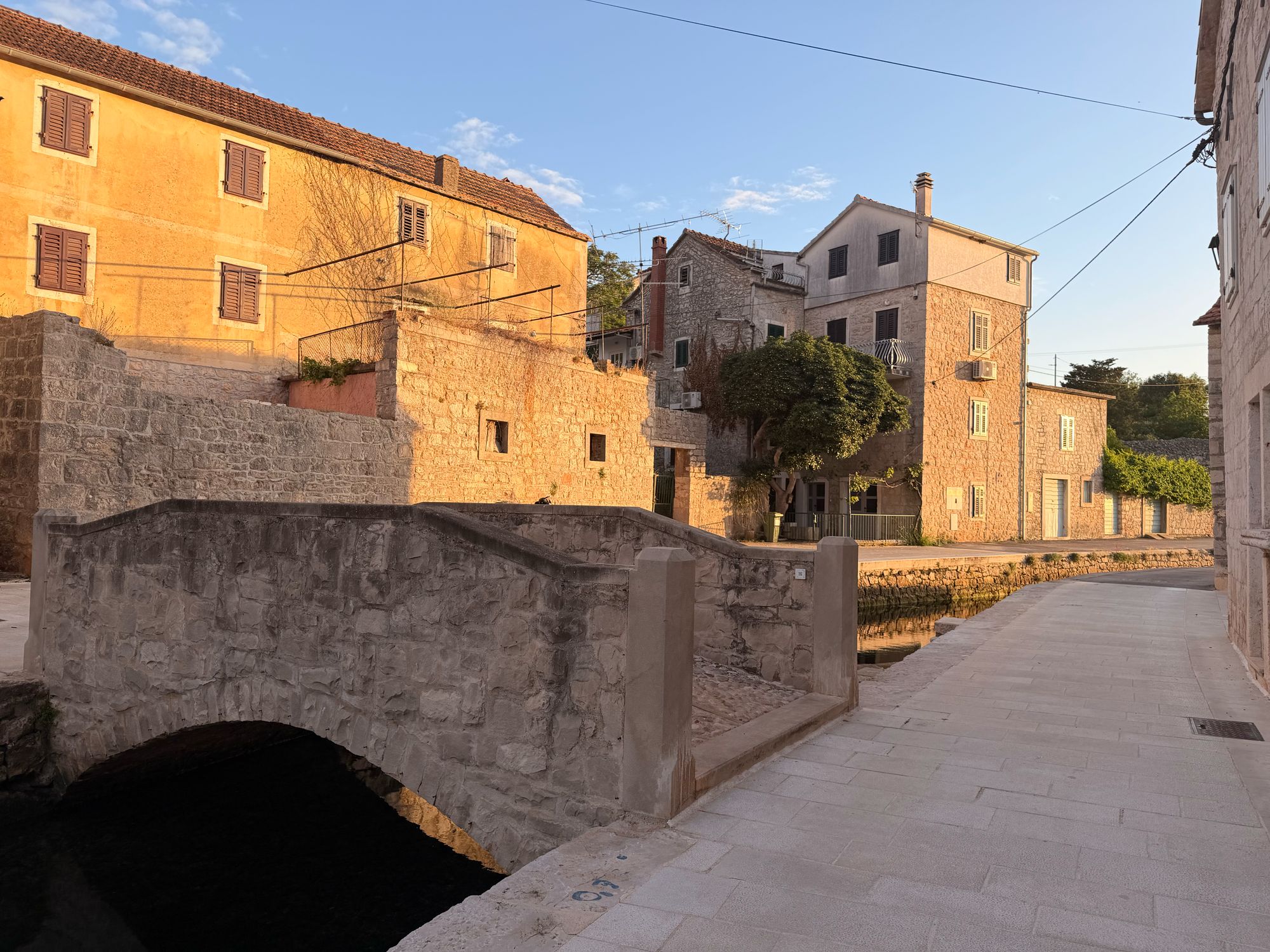
It lived up to its reputation as we neared Vrboska, its smallest town. Sunlight uncloaked the spectacular clear waters as we docked into the country’s “Little Venice”, so named for its canals and arched bridges. Unlike the Italian hotspot, however, Vrboska maintains a quiet charm. With a new set of sea legs, the swaying sensation remained on land, providing me with bizarre momentum to climb its notoriously steep steps.
Must-see locations were, it transpired, never too far from the marina – most were easily walkable if you have enough confidence in your calves. The layered view of red tiled roofs, stone streets and the stretching sea is what makes Hvar, and much of Dalmatia, such a treat for the eyes.
Switching calm for chaos, we hopped onto a speedboat for a 10-minute ride to the uninhabited Palmaziana; part of the Pakleni archipelago. This was a much more exclusive affair. The island is owned by the Meneghello family, where three generations have shaped it into a bohemian utopia. We ate at their restaurant, decorated with art from local artists – mainly displaying the female form. It was a pretty memorable accompaniment to the traditional Hvarska Gregada, a fish and potato soup originating from Hvar.
Read more: I’m a cruise expert and these are the 14 best deals for 2026
Stomach full, I longed for the comfort of the catamaran and took full advantage of this the next sailing day to the island of Brač. I sprawled out on one of the nets of the catamaran – the standout feature of these sleek vessels – swimsuit-clad, soaking up the sun, gentle sea breeze against my skin all while listening to the placid waves.
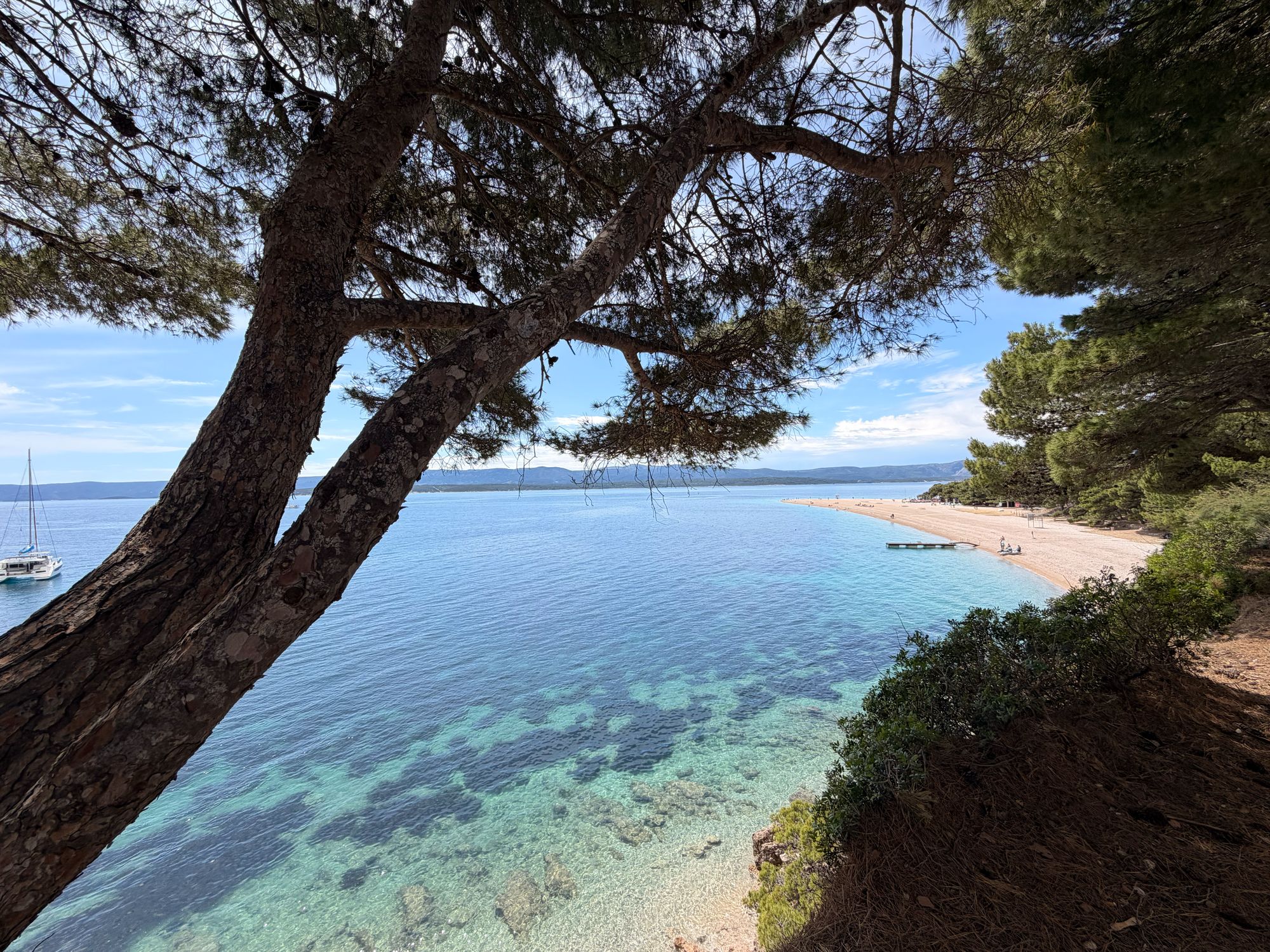
Bol, on the south coast of Brač, is famed for the ever-shifting sands of Zlatni Rat beach. They were impressive, but it was the winery that made the biggest impression. A convenient stone’s throw from the promenade, the wine tour and tasting at Stina was a highlight of the trip. I’m told it’s one of the world’s closest wineries to the sea.
The next morning, I opted for an espresso al fresco style, a tradition here in Dalmatia. One that is usually paired with a cigarette and 30 minute chinwag before clocking into work. I watched as the promenade filled with locals for their morning routine, choosing to forgo the side of nicotine.
Read more: This luxury cruise line is offering cycling sailings around Croatia
Before enjoying the last night in buzzy Trogir, the best-preserved Romanesque-Gothic complex in Central Europe, we sailed to slow-paced Šolta. This island is mostly untouched by tourism, offering a slice of remote bliss to those seeking privacy. A visit to Tvrdić Honey Farm, where owner Goran Tvrdić declared that we should all “give bees a chance”, is an experience that will stick with me for a while. Pots of the sweet honey now live in my kitchen cupboard.
Dalmatia knows how to make good produce – and how to give a good send off. Back at the marina, we were serenaded by a local Klapa choir, who sang in a Unesco-protected acappella style. I had goosebumps. Keeping with tradition, I toasted with a glass of rakija – a fruity and nutty liquor – to a whirlwind taste of the Dalmatian Coast.
While Dubrovnik is widely considered the pearl of the Adriatic, Dalmatia’s lesser-known islands retain their charm, far away from the city’s busy streets. On the flight home, I found solace looking at the view from above, though I longed to be on one of the many sailing boats below. Nothing beats nautical when it comes to seeing Dalmatia.
How to do it
EasyJet has direct flights from London Luton and Gatwick to Split. Flight time is from two hours and 45 minutes. Prices start at £64 return.
SamBoat and Borrow a Boat offer boat hire and yacht charter – with or without crew – around the Dalmatian coast. Prices start at £76 per day. Yacht charter company Sunsail offers “bareboat” sailing itineraries for those brave enough to sail themselves, or “flotilla” options for groups.
Bookings for berths can be made via the ACI Marinas website.
Layla was a guest of the Croatian National Tourist Board and the Split-Dalmatia County Tourist Board, supported by ACI Marinas