
 2 hours ago
1
2 hours ago
1 ARTICLE AD
Images have emerged online giving us our first look at Lenovo’s upcoming Googlebooks
 Google
Google announced Googlebook at I/O in May, but we are still waiting to see what the finished hardware will actually look like. The first devices are expected this fall, and new images published by Android Headlines may have given us an early look at what Lenovo has planned.
Lenovo appears to be preparing at least three Googlebooks, including two traditional laptops and a detachable 2-in-1 tablet. There is also a new wireless AI mouse that seems to have been designed specifically for the platform.
Google has already confirmed that Acer, Asus, Dell, HP, and Lenovo are working on Googlebooks. Still, Lenovo launching three different models would make its opening lineup considerably more ambitious than I expected.
The tablet is the most interesting one
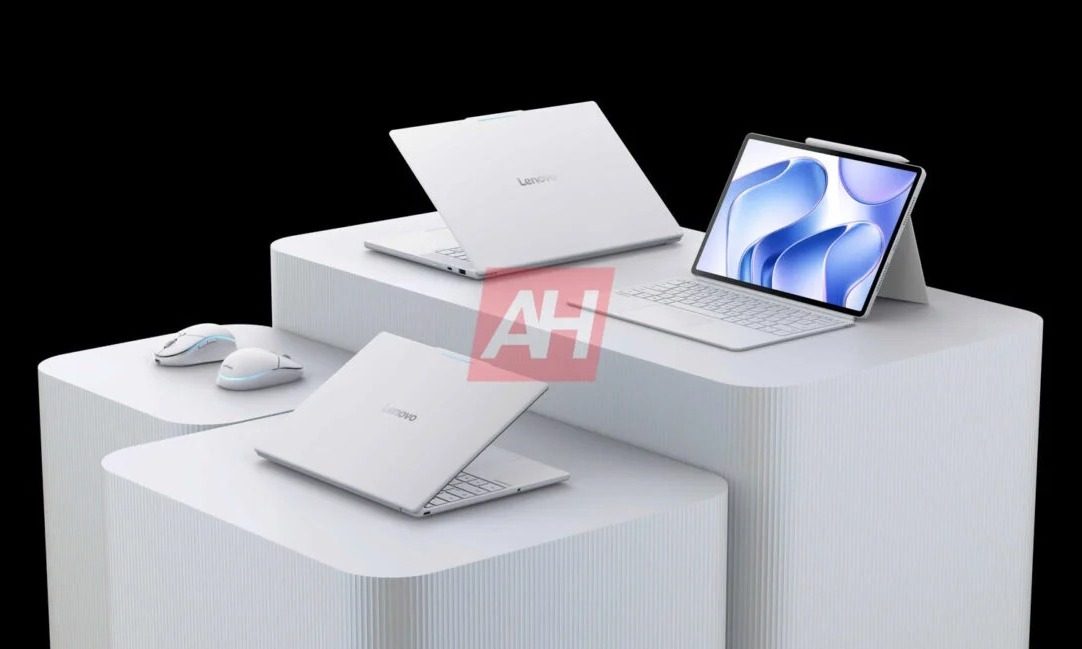 Android Headlines
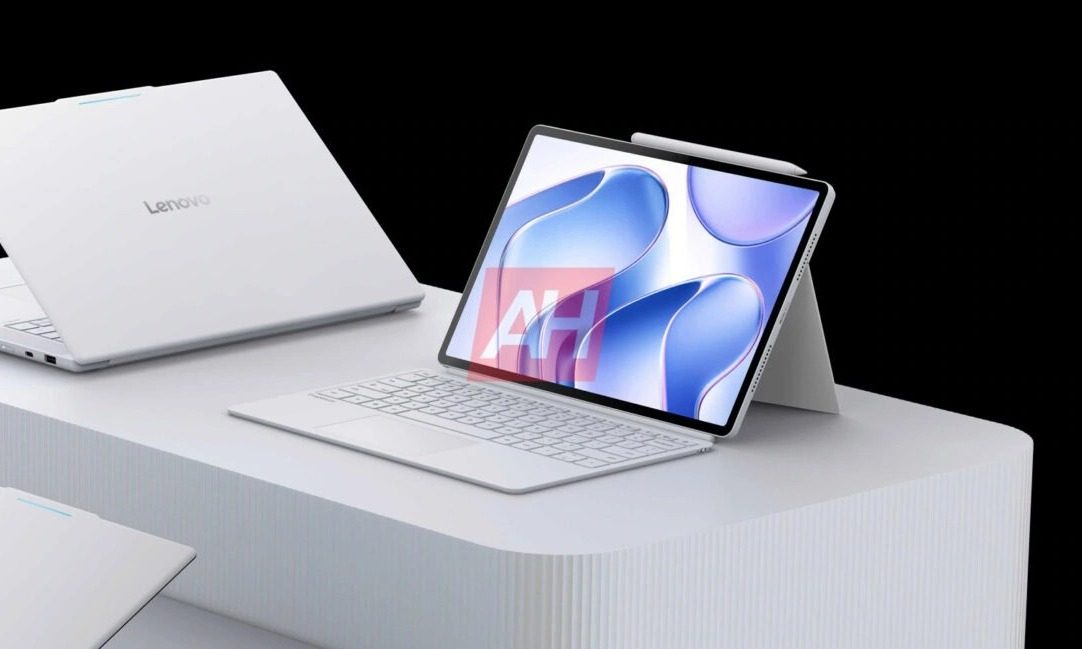 Android Headlines
The two laptops appear to come in different sizes, suggesting Lenovo may be targeting separate users and price points. The images do not reveal much about their specifications, processors, or displays, so it is difficult to say how different they will be.
The detachable tablet is much easier to get excited about. Android Headlines reports that the device has four speakers, Dolby Atmos support, and stylus compatibility. It could prove more interesting than another conventional laptop by leaning into Googlebook’s support for Android apps and touch input.
Lenovo also has a mouse for Magic Pointer
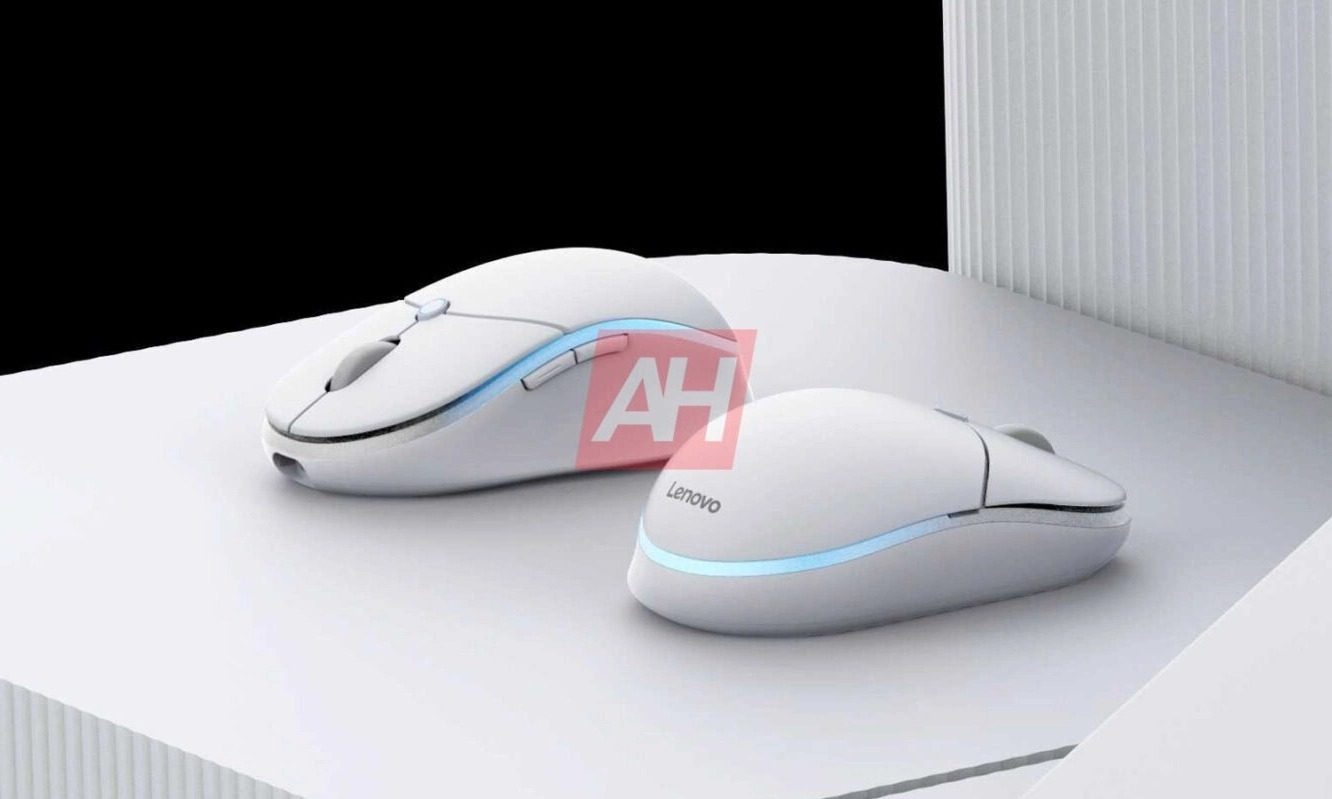 Android Headlines
Lenovo’s new 59-gram wireless mouse reportedly includes an RGB strip and a dedicated AI key. Googlebook is built around Gemini Intelligence rather than treating AI as a separate app or sidebar, and the mouse may connect directly to Magic Pointer, the Gemini-powered cursor feature that can surface contextual actions based on whatever you point at on screen. Lenovo has not yet explained what the AI key does, but it could provide a quicker way to call up those suggestions.
I still have questions about how consistently Googlebook will perform across different chips, screen sizes, and form factors. Google has positioned the platform as premium, and rising memory costs could push prices even higher. The company has not announced a launch date for the first devices, although IFA in September seems like a plausible venue for Lenovo to unveil its lineup.

I’ve got about 4 years of experience, mostly covering gaming, PC hardware, and smartphones. In my free time, I like…
Shopping for back-to-school? I’d recommend these GaN chargers for saving space and packing more power
From a $9 spare to a $56 desk hub, these chargers cut down on cable clutter so that you can focus on your studies, not how cluttered your desk looks.
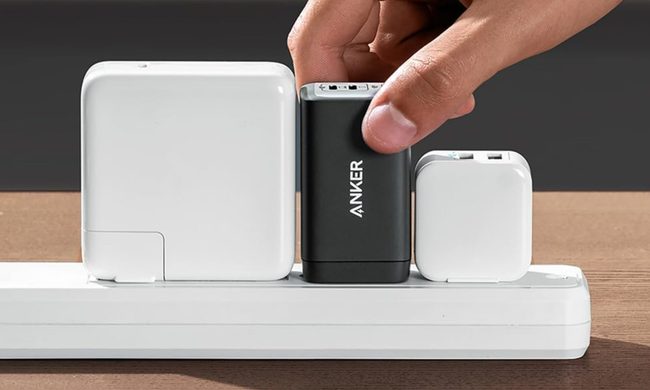
Between a phone, a laptop, a tablet, and perhaps a pair of wireless earbuds that require charging every day or every few days, most students are packing multiple chargers for move-in day. Those big, heavy bricks take up valuable backpack space that could otherwise be free for carrying more items.
However, GaN chargers fix that problem in two ways. First, they deliver the same amount of power from a much smaller body, thanks to gallium nitride transistors. Furthermore, if you're willing to spend a little more upfront, you can get a high-capacity, multi-device charger capable of powering your entire digital ecosystem from a single wall outlet, something that could be very useful for a dorm room.
Gemini Spark can now use Chrome logins and saved passwords to run errands on your behalf
Gemini Spark can use Chrome’s auto browse feature to navigate websites and complete online tasks
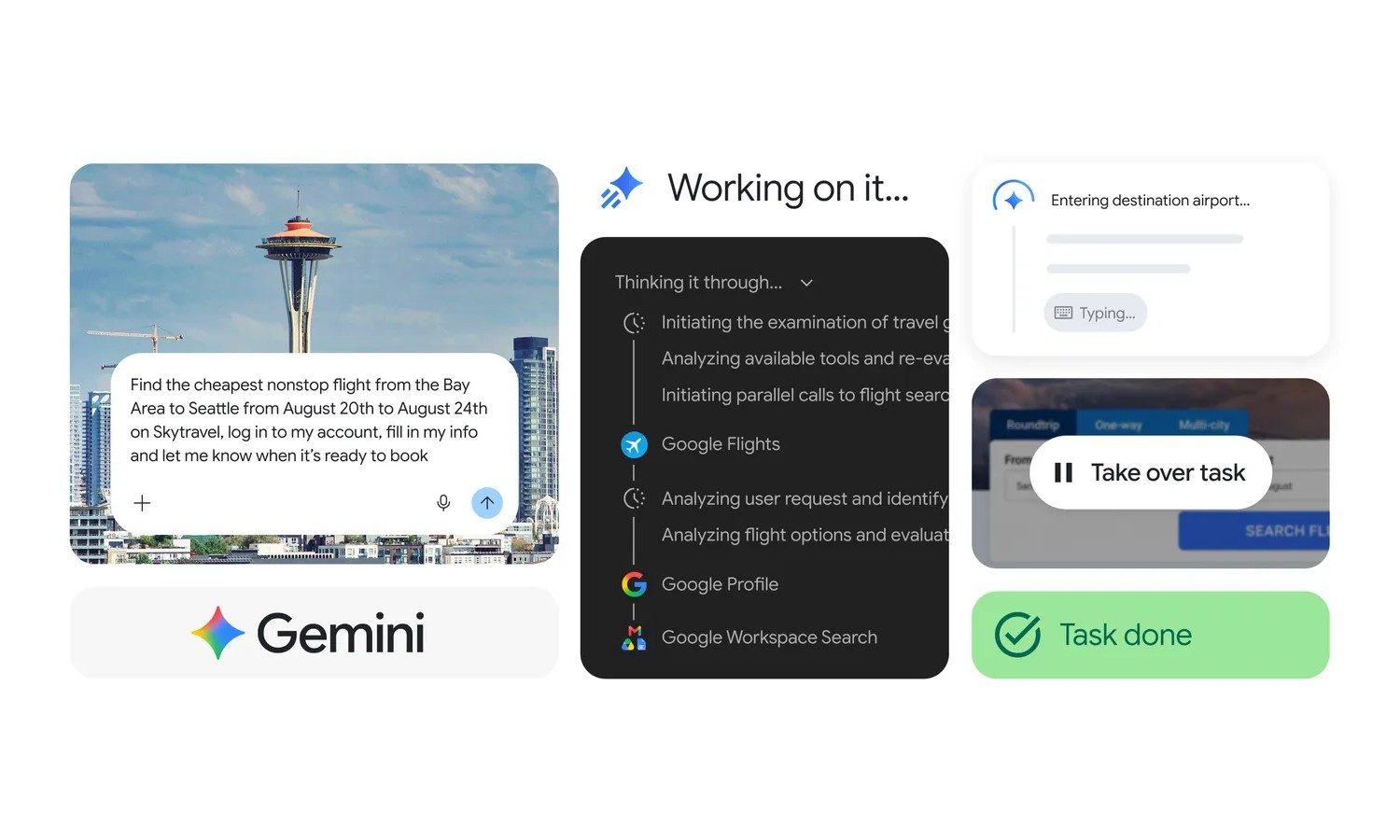
Google is integrating Gemini Spark with Chrome so it can carry web-based tasks further without users having to take over at every step. The search giant is also expanding access to AI Pro subscribers in more than 160 additional countries, although the new browser capabilities are initially limited to the United States.
How Chrome auto browse works
Microsoft finally has a Windows 11 upgrade everyone can get behind
Windows 11 is finally focusing on the basics again
Microsoft has spent the past few years enthusiastically explaining how AI will transform Windows. But Satya Nadella’s latest promise for the operating system is something most Windows users can get behind. The company is finally focusing on making things work better.
During Microsoft’s fiscal 2026 fourth-quarter earnings call, Nadella said the company is investing to ensure Windows has the “best quality and fundamentals,” while continuing to position the platform as a home for secure on-device AI. The statement is still short on specifics, and Microsoft has yet to announce a single giant Windows 11 quality update. But it does reinforce a broader overhaul that has been underway throughout 2026. Some of these revolve


